
Water damage can change your home unexpectedly, but rebuilding does not mean you have to simply recreate what was there before. Once mitigation is complete and your property is ready for reconstruction, you have an opportunity to restore what was lost while making thoughtful choices for the future.
With the right water damage contractor, reconstruction can bring together the requirements of your insurance claim with the design, finishes, and functionality you want for your home.
Rebuilding Beyond What Was Lost
The first priority of water damage reconstruction is repairing the areas affected by the loss. Depending on the extent of the damage, this could include flooring, drywall, cabinetry, countertops, trim, paint, and other elements throughout your home.
When part of your home needs to be rebuilt, it's worth considering how the space could better serve your everyday needs.
Maybe your kitchen has always needed more storage, your bathroom layout feels outdated, or your flooring no longer complements the rest of your home. Rather than treating reconstruction as a simple replacement project, you can use this opportunity to address features you've been wanting to change.
The key is identifying these improvements early in the planning process. Discussing your goals with your contractor before construction begins allows you to explore what's possible, understand the additional costs, and incorporate approved changes into the overall project plan.
With the right approach, necessary repairs can become an opportunity to make lasting improvements to your home.
Making the Most of Your Reconstruction Project
When part of your home needs to be rebuilt, it's worth considering how the space could better serve your everyday needs.
Maybe your kitchen has always needed more storage, your bathroom layout feels outdated, or your flooring no longer complements the rest of your home. Rather than treating reconstruction as a simple replacement project, you can use this opportunity to address features you've been wanting to change.
The key is identifying these improvements early in the planning process. Discussing your goals with your contractor before construction begins allows you to explore what's possible, understand the additional costs, and incorporate approved changes into the overall project plan.
With the right approach, necessary repairs can become an opportunity to make lasting improvements to your home.
Understanding Insurance Repairs and Upgrades
When incorporating upgrades into an insurance reconstruction project, it's important to understand the difference between covered repairs and homeowner-selected improvements.
Insurance-Covered Reconstruction: These are repairs or replacements included in the scope approved by your insurance carrier, such as damaged flooring, drywall, or cabinetry. Coverage is determined by your insurance provider and the terms of your policy.
Homeowner-Selected Upgrades: These are improvements you choose beyond the approved insurance scope, such as premium countertops, custom cabinetry, or upgraded flooring. These selections may require an additional out-of-pocket investment.
An experienced water damage contractor can help you understand the approved construction scope, coordinate insurance-related requirements, and explore opportunities for additional improvements. At Your Home Expert, we help you navigate both aspects of your reconstruction so you can make informed decisions before rebuilding begins.
Planning for Upgrades Beyond Your Insurance Claim
One of the biggest advantages of working with a contractor experienced in both insurance reconstruction and high-end remodeling is the ability to plan repairs and improvements together.
For example, if your insurance claim includes replacing damaged kitchen cabinets, you may choose to invest in custom cabinetry with improved storage and a more personalized design. Your contractor can help separate the costs associated with the approved repairs from those related to your selected upgrades.
This distinction is important for understanding your budget and making decisions about where to invest.
By planning ahead, you can explore improvements that complement the reconstruction work without losing sight of the project's original repair requirements.
Real Project Spotlight: The MacGregor Project
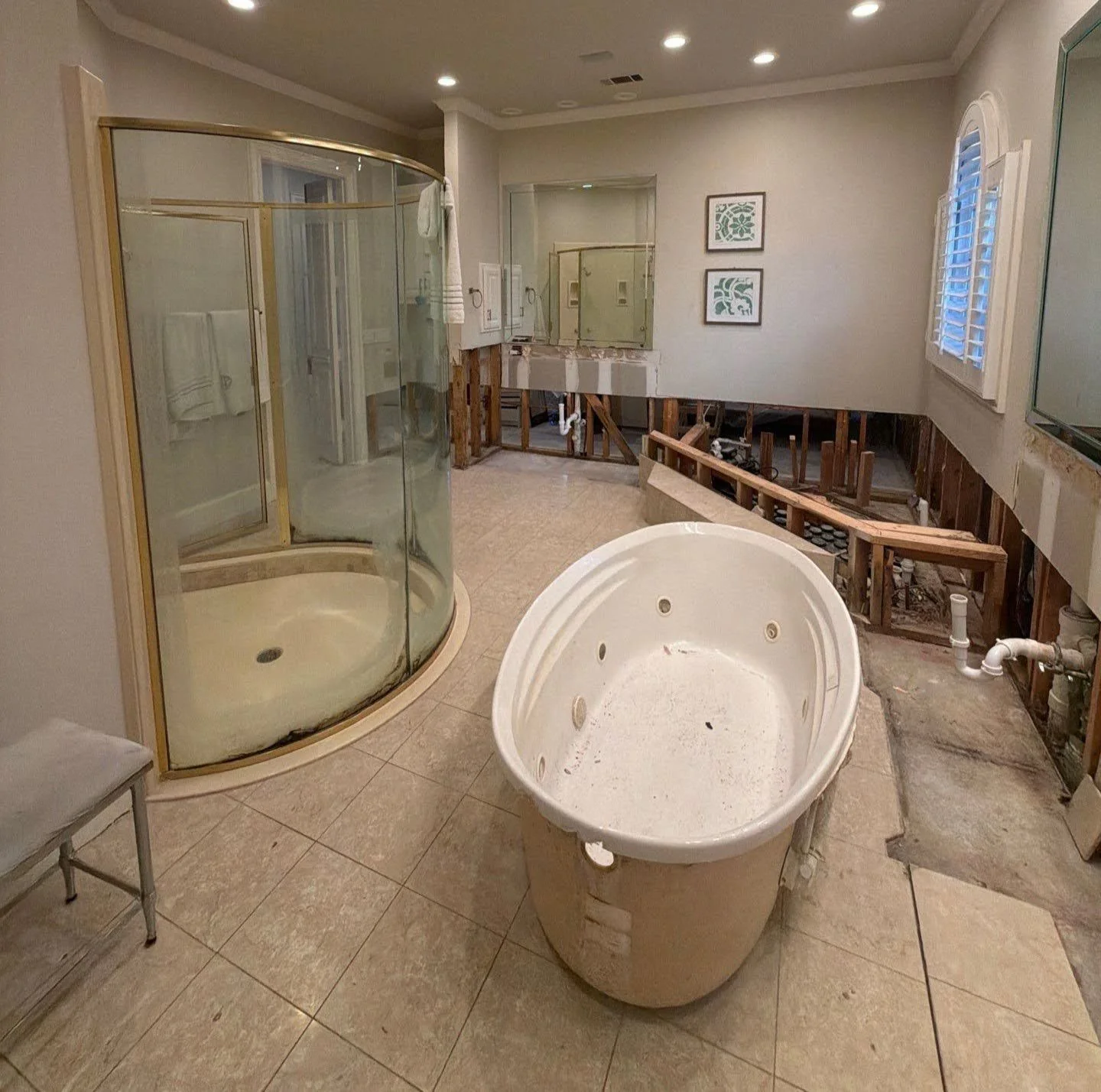
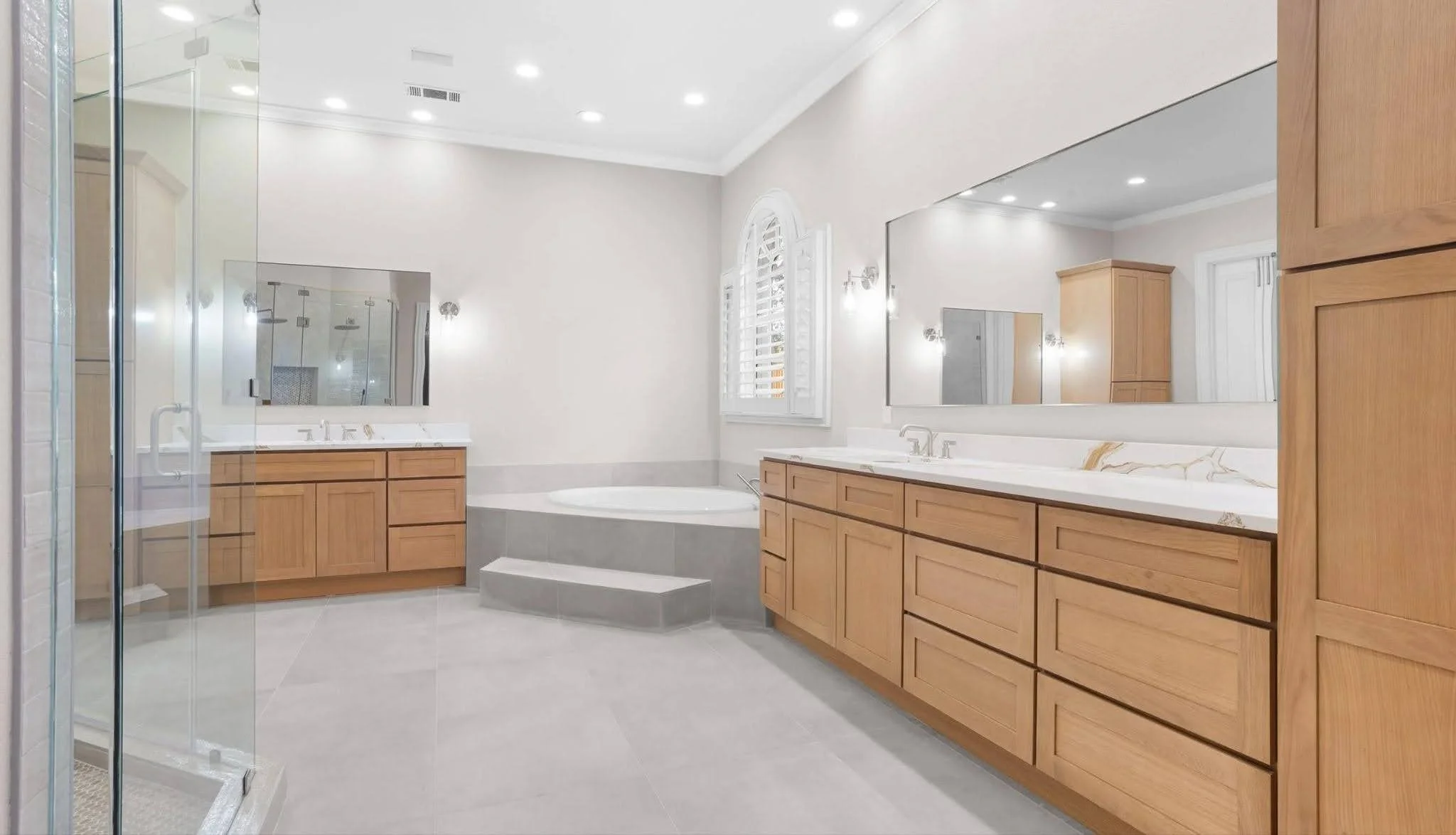
The MacGregor Project in Plano, TX, is a great example of how water damage reconstruction can create an opportunity for meaningful home improvements.
After a leaking Jacuzzi tub caused significant water damage, Your Home Expert reconstructed the affected areas of the bathroom. During the rebuilding process, the homeowner decided to upgrade the existing shower rather than simply return the space to its previous condition.
The result was a more modern, comfortable bathroom that addressed the original damage while better meeting the homeowner's needs.

What This Project Shows About Rebuilding After Water Damage
The MacGregor Project demonstrates how insurance reconstruction and homeowner-selected upgrades can work together.
While the original water damage required repairs, the homeowner also had the opportunity to reconsider an important feature of the bathroom. By upgrading the shower during reconstruction, the project went beyond replacing damaged materials and resulted in a space better suited to the homeowner's preferences.
This same approach can apply to other areas of the home. Whether you're rebuilding a kitchen, bathroom, or living area, discussing potential improvements during the planning stage can help you make the most of the work already taking place.
Not every reconstruction project requires a major renovation. Sometimes, one carefully chosen upgrade can make a meaningful difference in the finished space.
Bringing Luxury Into Your Reconstruction
Luxury does not have to mean completely redesigning your home. Thoughtful material and design choices can transform a necessary water damage home repair into an opportunity for a more elevated luxury home renovation.
Depending on your project, that could mean incorporating custom cabinetry, premium countertops, upgraded flooring, refined fixtures, improved storage, or finishes that better complement the rest of your home.
At Your Home Expert, we bring both insurance reconstruction and high-end remodeling experience to the rebuilding process. This allows us to look beyond the repairs themselves and help homeowners create spaces that feel intentional, polished, and built for the years ahead.
Luxury Upgrades Worth Considering During Reconstruction
The best upgrades are often the ones that improve both the appearance and everyday functionality of your home.
Kitchen improvements: If water damage affects your kitchen, consider custom cabinetry, additional storage, upgraded countertops, or a new backsplash that complements your home's overall design.
Bathroom upgrades: Reconstruction may provide an opportunity to incorporate a walk-in shower, premium tile, updated vanities, or fixtures that make your bathroom feel more comfortable and refined.
Flooring selections: Replacing damaged flooring can be an opportunity to explore materials that better suit your lifestyle and create a more cohesive appearance throughout your home.
Finishing details: Updated lighting, hardware, trim, and paint selections can bring the entire space together without requiring a complete redesign.
The right improvements will depend on your reconstruction scope, budget, and personal preferences. Working with an experienced contractor can help you prioritize upgrades that offer the greatest value for your home.
Why Planning Matters in Water Damage Reconstruction
A successful reconstruction project involves more than selecting materials and beginning repairs. Careful planning helps ensure that the finished space meets your expectations while keeping construction organized.
Before rebuilding begins, your contractor should review the repair scope, discuss your material preferences, and identify any improvements you'd like to incorporate. This is also the time to consider how your selections may affect the budget and construction schedule.
For homeowners interested in higher-end finishes, early planning is especially important. Custom cabinetry, specialty tile, and premium materials may require additional ordering time or installation considerations.
Addressing these details in advance helps create a more coordinated reconstruction process and gives you greater confidence in the decisions being made for your home.
2. Documentation & Insurance Coordination
One of the more complicated parts of insurance reconstruction is making sure the construction estimate accurately reflects the work needed to repair your home.
Insurance companies typically prepare an initial estimate based on their assessment of the damage. However, that estimate may not always include every repair identified during a contractor's evaluation.
This is where detailed documentation and communication become especially important.
Reviewing the Insurance Estimate
Your reconstruction contractor reviews the available documentation and compares the insurance estimate with the repairs identified during the assessment.
This process helps identify differences between the insurance company's estimate and the actual construction scope.
For example, an estimate may account for replacing damaged flooring but require additional review of related repairs, such as baseboards, transitions, or other affected finishes.
Identifying these details early can help prevent confusion once construction begins.
Understanding Insurance Supplements
During the reconstruction process, additional damage or necessary repairs may be discovered that were not included in the original insurance estimate.
When this happens, supplemental documentation may be submitted to the insurance company for review.
A supplement is a request to consider additional repair work or costs related to the claim. Supporting documentation may include photographs, measurements, estimates, and explanations of the necessary work.
It's important to understand that submitting a supplement does not guarantee approval. The insurance company determines coverage and whether additional amounts will be authorized under the policy.
Why an Experienced Insurance Claim Contractor Matters
Working with an experienced insurance claim contractor can help homeowners navigate the construction-related aspects of an insurance claim.
At Your Home Expert, our team helps coordinate repair documentation, communicate about the construction scope, and manage the rebuilding process.
Having a contractor who understands both construction requirements and insurance-related coordination can help reduce unnecessary confusion and keep your project organized.
For additional information about filing a claim and understanding the insurance process, homeowners can review the Texas Department of Insurance's guide to getting an insurance claim paid.
3. Material Selections & Rebuild Planning
Once the repair scope has been established, the next stage focuses on planning the reconstruction and selecting the materials that will be used throughout your home.
While rebuilding after property damage may not have been part of your original plans, this stage gives you an opportunity to make decisions about how your finished space will look and function.
Choosing Materials & Finishes
Depending on the damage, your reconstruction project may involve selecting:
Flooring materials and finishes
Kitchen or bathroom cabinetry
Countertops and backsplashes
Plumbing and lighting fixtures
Tile and shower materials
Paint colors, trim, and hardware
Your contractor can help you understand the available options, review selections, and coordinate the materials needed for construction.
Making these decisions before work begins can also help reduce scheduling disruptions and keep the project moving forward.
Can You Upgrade Your Home During Insurance Reconstruction?
Yes. In some cases, homeowners choose to make improvements while their homes are already undergoing reconstruction.
For example, if your kitchen requires new cabinetry following water damage, you may decide to upgrade the cabinet style, change the layout, or select premium countertops.
Similarly, a bathroom reconstruction project may create an opportunity to install a larger shower, update fixtures, or incorporate more luxurious finishes.
However, it's important to distinguish between repairs included in the approved insurance scope and elective improvements.
Insurance coverage depends on the terms of your policy and the insurer's claim determination. Any upgrades beyond the covered repairs may involve additional out-of-pocket expenses.
Your reconstruction contractor can help you understand the construction costs associated with these choices so you can make informed decisions before work begins.
4. Scheduling & Construction
With the repair scope, documentation, and material selections in place, your project can move into the construction phase.
This is when the plans begin taking shape and the damaged areas of your home are rebuilt.
Establishing a Construction Timeline
Before construction begins, your contractor develops a schedule based on the project's scope, required trades, material availability, and any necessary approvals.
Some reconstruction projects involve a single room, while others require extensive repairs across multiple areas of the home.
For example, replacing damaged flooring and drywall may require a different timeline than rebuilding a kitchen or completing structural repairs after a fire.
Your contractor should help you understand the anticipated schedule and communicate any significant changes as the project progresses.
What Can Affect the Reconstruction Timeline?
Several factors can influence how long an insurance reconstruction project takes.
Extent of the damage: Larger projects generally require more construction phases, specialized trades, and coordination.
Insurance-related reviews: Additional documentation or supplemental estimates may need to be reviewed before certain work can proceed.
Material availability: Custom cabinetry, specialty flooring, and other selected finishes may have longer lead times.
Permitting and inspections: Depending on the repairs, local permits and inspections may be required.
Unexpected conditions: Additional damage discovered during construction may affect the repair scope and schedule.
While not every delay can be avoided, proactive planning and communication can help homeowners stay informed throughout the process.
Managing the Construction Process
During reconstruction, your contractor coordinates the trades, oversees scheduling, and manages the construction work needed to complete the project.
Depending on the scope, this may involve drywall installation, flooring replacement, cabinetry, painting, electrical work, plumbing, and other repairs.
At Your Home Expert, we focus on organized project management and consistent communication so homeowners understand how their reconstruction is progressing.
Our goal is to make the building process feel more manageable while delivering a finished space that meets your needs.
5. Final Walkthrough & Project Completion
As construction nears completion, your contractor reviews the finished work to confirm that the required repairs have been completed and any remaining details are addressed.
This stage typically includes a final walkthrough and punch list.
What Happens During the Final Walkthrough?
During the walkthrough, you and your contractor review the completed areas of your home.
This provides an opportunity to identify any remaining items that may need adjustment, correction, or finishing before the project is considered complete.
These details are documented on a punch list so the team can address them before closing out the project.
Completing Your Reconstruction Project
Once the remaining items are addressed, your contractor completes the final project review and provides applicable warranty information.
For homeowners, this is an important milestone. After navigating property damage, insurance documentation, and construction, you can begin settling back into your home.
Whether the project involved restoring a single room or rebuilding several areas, the goal is a completed space that feels comfortable, functional, and ready for everyday living.
How Long Does Insurance Reconstruction Take?
One of the most common questions homeowners have is how long it will take to rebuild their homes.
Unfortunately, there isn't a single timeline that applies to every project.
The duration depends on the type of damage, the size of the affected area, the complexity of the repairs, insurance-related requirements, and the materials selected.
A smaller reconstruction project may move through the process more quickly, while extensive fire or water damage may require additional planning, coordination, and construction time.
The best way to understand your project's timeline is to work with a reconstruction contractor who can evaluate the damage, establish the scope, and develop a realistic construction schedule.
Choosing the Right Reconstruction Contractor in Dallas-Fort Worth
Choosing a contractor is one of the most important decisions you'll make after experiencing property damage.
Insurance reconstruction requires more than construction experience. It also involves understanding repair estimates, coordinating documentation, managing multiple trades, and communicating throughout the project.
When selecting a contractor, look for a team that can explain its process, provide detailed estimates, help you understand your repair options, and keep you informed as work progresses.
It's also important to choose a company with experience handling the type of damage your home has experienced.
An experienced contractor can help you navigate the practical decisions involved in rebuilding while keeping the project focused on your goals.
Insurance Reconstruction in Dallas-Fort Worth With Your Home Expert
Rebuilding after water, fire, or storm damage can feel like a complicated process, but you don't have to navigate it alone.
At Your Home Expert, we help Dallas-Fort Worth homeowners move forward with insurance reconstruction through detailed planning, insurance-related coordination, and experienced construction management.
From the initial assessment and repair scope to material selections, construction, and the final walkthrough, our team is committed to keeping you informed and helping you feel confident about the work being done in your home.
Whether you're restoring your property to its pre-loss condition or exploring opportunities to make upgrades, we're here to help you take the next step.
